


I try to keep this blog post relevant on many media topics beyond radio. I am not an expert, for example, in automotive engineering, AI and autonomous cars, and engagement and community. But I do my best to remain current on these and other “outside” radio topics because of their relevance to the radio industry as we’ve come to know it.
Take religion, for example. I am perhaps the last person you should pay attention to when it comes to theological matters. In fact, I’m very much on the periphery, trying to understand how ancient teachings and precepts connect with the modern themes of today.
For Jews, today is the most solemn day of the year – Yom Kippur, better known as the Day of Atonement. Rosh Hashanah (the Jewish new year) was several days ago, kicking off the “10 Days of Repentance.” And that leads us to today where we are ideally fasting to connect with the suffering and sacrifice that comes with atonement. The goal is to account for the many sins we have committed through the past year. Jews are often taught to atone for the world and all the transgressions that have collectively occurred since last year. Obviously we’d need more like a month to account for all that sinning, but we do our best to cover lots of ground in one day.
As is likely the case, religions steeped in past traditions are working hard to contemporize their teaching approaches in order to have maximum impact. And so, some of the modern approaches to Yom Kippur involve focusing “less on literal divine judgment and more on personal accountability, community responsibility, and setting ethical goals for the coming year.”
If it will make observant Jews happy, this blog post was put to bed before the actual beginning of Yom Kippur. In recent years, Jews have been taught to use this day to step away from the technological shackles of our modern world. I will do my best to do so.
And so today’s post is blessedly brief, and hopefully to the point. Last week was the last Conclave, and a key part of the festivities was to award those precious Rockwell Awards to those deserving of it. In all, a half dozen Rockewells were bestowed on Mark Bolke, Dave (“Chachi”) Denes, Dan Seeman, Joe Knapp, Herb Hoppe (deceased), and our old friend and social media “guiding light, Lori Lewis.
Congrats to those honored this year. A look back at the august group of recipients reveals an impressive list of current and former broadcasters who have contributed in myriad ways to improving radio as a service and as an industry.
I was especially intrigued by the video Lori provided for the occasion, as she was unable to be in Minneapolis in person on the day she was scheduled to receive her Rockwell. In case you haven’t followed her exploits over the past couple decades, she has transitioned from being a jock to a PD, and then taking that big step toward carving out her own unique domain.
At Midwest Communications, she convinced the late owner, Duke Wright, into creating a corporate position for her as social media sherpa. Paul and I hired Lori in 2011 as a guide to helping our client stations navigate the social space. She didn’t disappoint, providing true insight into the mysteries of social plaforms, while helping Jacobs Media clients get the most out of these online tools and resources.
Lori would eventually leave us to go to work for Cumulus/Westwood One, later forming her own social media consultation company. For several years, she engineered the Conclave, remaking and modernizing it until the ravages of COVID upset the organization’s equilibrium.
And now Lori’s career has taken a much different turn. She has (re)embraced Jesus, and has been inspired to write a book on what she calls “redemptive suffering,” a topic that very much connects to what millions of Jews will be engaged in today in temples, synagogues, or at home, ensconced in their own private thoughts.
As Lori explains, her topic of choice is not frequently a topic of discussion, but “it is one that belongs at the center of our lives; what to do with our suffering.”
Modern interpretations of repentance are very much in synch with Lori’s thinking. Many contemporary teachers believe Yom Kippur is about “returning” or “answering.” That is, “rather than wallowing in guilt or punishment, modern observance views it as coming back to your most authentic, uncorrupted self.”
Looking at it through the more modern lens, “Psychological interpretations urge people to view their flaws with clarity rather than self-loathing, using the discomfort of personal mistakes as fuel for positive character development rather than permanent condemnation.”
And this is precisely where this newer spin on atonement dovetails quite nicely with Lori’s reflections on her storied career in radio, and how she has learned from those humbling moments we all endure, especially in the early years.
Lori’s 5-minute reflection on what she learned in radio – often the hard way – has taught her about self-redemption. And it has prepared her for the mission that occupies her thinking and her actions today:
Perhaps it would be help us more secular types as well. We wish Lori all the best in her new role.
If you’re celebrating Yom Kippur today, you probably shouldn’t be reading this. But I hope you have an easy fast.
One last quip – the holiday actually began last night with a solemn service called Kol Nidre which translates to “all vows.”
When my wife texted me to ask what time we were leaving for Kol Nidre services, AutoCorrect changed it to “LOL Nidre.”
As always, God gets the last laugh.
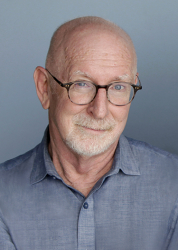
President & Founder at Jacobs Media
Jacobs Media has consistently walked the walk in the digital space, providing insights and guidance through its well-read national Techsurveys.
In 2008, jacapps was launched – a mobile apps company that has designed and built more than 1,300 apps for both the Apple and Android platforms. In 2013, the DASH Conference was created – a mashup of radio and automotive, designed to foster better understanding of the “connected car” and its impact.
Along with providing the creative and intellectual direction for the company, Fred consults many of Jacobs Media’s commercial and public radio clients, in addition to media brands looking to thrive in the rapidly changing tech environment.
Fred was inducted into the Radio Hall of Fame in 2018.
